

What Really Happens During a Pet Checkup? A Vet Visit Explained
If your dog or cat has a checkup coming up, or you just brought home a new pet and aren’t sure what the first visit involves, here’s the short answer. A routine vet visit has three parts: a conversation about how your pet has been doing at home, a hands-on physical exam from nose to tail, and a talk about what comes next, which can include vaccines, parasite prevention, or lab work. Most of it is quiet and low-key. Your pet gets weighed, handled, and listened to, and you walk out with a clear picture of where their health stands today. From the owner’s side it can feel quick, but a lot is happening while the veterinarian’s hands are moving.
That quieter part is worth understanding. During a checkup, your veterinarian is comparing what they find today against what’s normal for your pet’s age, breed, and history. Gums that look a little redder than last year. A faint skip in the heart rhythm. Two pounds gained since spring, or a lymph node that feels slightly firm. None of these would send you to an emergency room, and most owners would never spot them at home. Dogs and cats are very good at hiding discomfort, which is one reason the exam matters even when your pet seems perfectly fine. Each visit also adds to a baseline, so next year’s exam has something real to be measured against.
Knowing the steps ahead of time makes the appointment easier on both of you. Pets pick up on a nervous owner, and owners who know what to expect tend to ask better questions and leave with fewer surprises. At Seaview Animal Hospital, Dr. Kiefer Hazard is Fear Free Certified, and our team uses fear-free handling techniques, so exams move at your pet’s pace instead of rushing them through a checklist. If something on the exam deserves a closer look, we have an in-house laboratory, digital radiology, and ultrasound right here. We also walk you through any recommended care and what it costs before anything is done, so you’re never guessing at the front desk.
This Article Will Address
- The order of events at a typical exam visit
- The body systems your vet checks and why
- When blood tests are part of a routine visit
- Which problems an exam can catch before symptoms show
- Good questions to bring, sorted by your pet’s age
- What happens once the exam is finished
What Happens at Your Pet’s Checkup, Step by Step?
A typical visit follows the same basic order: history, vital signs, the physical exam, and then a plan. Here’s how routine pet checkups usually unfold:
- Weight first. Your pet steps on the scale before anything else, because a change in weight is one of the earliest signs that something has shifted.
- Health history. You’ll be asked about appetite, water intake, energy, bathroom habits, and any behavior changes since the last visit.
- Vital signs. Temperature, heart rate, and breathing rate get recorded.
- The physical exam. The veterinarian works from nose to tail, looking, listening, and feeling for anything out of the ordinary.
- Preventive care. Vaccines that are due, heartworm and flea and tick prevention, and any screening tests are discussed.
- The plan. You hear what the vet found and what, if anything, they recommend.
A first visit with a new puppy, kitten, or adopted adult runs a little longer, since there’s no history on file yet. If you’re wondering how far apart visits should be, our guide on how often your pet should see the vet breaks that down by life stage.
What Does a Veterinarian Look for During a Checkup?
Your vet is looking for anything that has changed from normal in each major body system. A complete nose-to-tail exam covers:
- Eyes: cloudiness, discharge, redness, or uneven pupils.
- Ears: wax buildup, odor, redness, or signs of infection or mites.
- Mouth and teeth: tartar, inflamed gums, broken teeth, and bad breath. Dental disease is one of the most common problems found in adult dogs and cats.
- Heart and lungs: murmurs, irregular rhythms, or unusual breathing sounds heard through the stethoscope.
- Lymph nodes: swelling under the jaw, in front of the shoulders, or behind the knees.
- Abdomen: enlarged organs, tenderness, or masses the vet can feel by hand.
- Skin and coat: lumps, thinning hair, fleas, dry patches, or hot spots.
- Joints and movement: stiffness, limping, or muscle loss, especially in older pets.
- Body condition: whether your pet is underweight, ideal, or carrying extra pounds, judged by feel as well as by the number on the scale.
If something turns up, your veterinarian will tell you in plain terms whether it’s worth watching or worth testing.
Will My Pet Need Bloodwork During a Checkup?
Not always. Whether bloodwork is part of a visit depends on your pet’s age, health history, and what the physical exam shows. For a young, healthy adult, many veterinarians suggest a baseline panel so there’s a normal reading on file to compare against later. For senior pets, yearly bloodwork is commonly recommended, because kidney, liver, and thyroid changes become more likely with age and often start without obvious signs. Dogs also usually get a yearly heartworm test, which takes only a small blood sample, and a fecal test may be suggested to check for intestinal parasites.
A standard wellness panel pairs a complete blood count, which looks at red cells, white cells, and platelets, with a chemistry panel that shows how organs like the kidneys and liver are working. Seaview has an in-house laboratory suite, so any results with more urgency can be reviewed immediately. The specific tests are covered in more detail on our page about veterinary bloodwork for dogs and cats.
Can a Vet Exam Catch Health Problems Early?
Yes, and that’s the main reason routine exams exist. Pets rarely act sick until a condition has been building for a while. By the time a cat stops eating or a dog starts favoring a leg, the underlying problem has often been there for months.
Dental disease is a good example. It usually shows up as tartar and red gums at a checkup long before a pet refuses food. Early kidney disease in cats can appear as a small rise in blood values or a bit of weight loss before you’d notice extra thirst at home. A skin lump found while it’s the size of a pea is easier to test and remove than one found later. Heart murmurs, thyroid disease, diabetes, and arthritis often give early hints during an exam too. Catching something early doesn’t promise an easy fix, but it usually means more treatment options, lower costs, and more time to plan. That’s why we encourage preventive care for dogs and cats even in a year when your pet seems completely healthy.
What Questions Should I Ask During My Pet’s Visit?
Start with anything you’ve noticed at home, then ask questions that fit your pet’s stage of life. Before the appointment, jot down any changes in appetite, thirst, energy, or bathroom habits, and bring a list of the food, treats, supplements, and medications your pet takes. Then choose from these:
- Puppies and kittens: When will the vaccine series be finished? When should we talk about spay or neuter? How much should I be feeding, and of what?
- Adult pets: Where does my pet fall on the body condition scale? Which vaccines fit our routine, like boarding, hiking, or dog parks? Are the teeth heading toward a professional cleaning?
- Senior pets: Is it time to start yearly bloodwork? Are these stiff mornings arthritis, and what helps? Is this weight loss or extra drinking worth testing?
- Any age: Is this lump something to worry about? Which signs mean I should call before the next visit?
No question is too small. If something has been bothering you for weeks, the checkup is exactly the right time to bring it up, and your vet would rather hear it now than six months from now.
What Happens After the Exam Is Over?
Once the exam is done, your veterinarian explains what they found and lays out any next steps, and you decide together what happens today and what can wait. If everything looks normal, that may simply mean giving vaccines that are due, refilling parasite prevention, and noting when to come back. If something needs a closer look, the vet will explain why they’re recommending a test, such as bloodwork, X-rays, or an ultrasound, and how the result could change your pet’s care. At Seaview, we review recommended care and its cost with you before we begin, so the bill matches the conversation. When tests are run, the vet follows up to explain the results and what they mean. If the exam points toward something beyond routine care, our full range of veterinary services means many next steps can happen under the same roof.
Keep an eye on your pet for the rest of the day, too. Mild tiredness or a little soreness where a vaccine was given is common. Vomiting, facial swelling, hives, or trouble breathing after a visit calls for a phone call right away.
Now Welcoming New Patients: Book Your Pet’s Checkup in Lynnwood, WA
Now you know what a checkup involves from start to finish, and what your vet is quietly watching for along the way. If your dog or cat is due for a visit, or you’re looking for a new vet, Seaview Animal Hospital is welcoming new patients at our office on 196th St. SW in Lynnwood, WA, and we see plenty of pets from Edmonds as well. Visits move at your pet’s pace with a Fear Free Certified veterinarian, and you’ll hear the plan and the cost before anything is done. Call (425) 307-0121 or request an appointment online to book your pet’s next checkup. We’re open Monday, Tuesday, Thursday, and Friday from 8 a.m. to 6 p.m.
Sources
Dr. Hazard
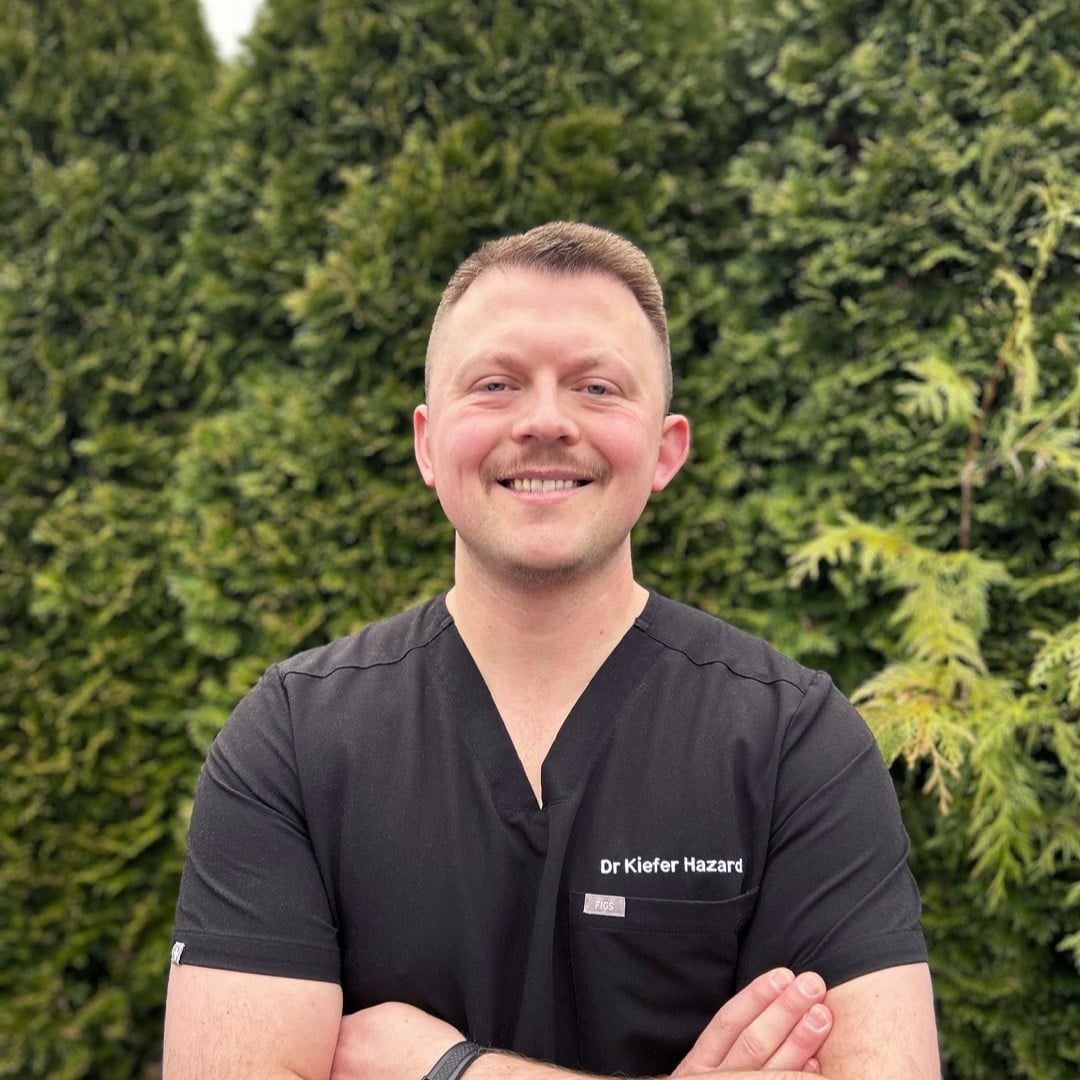
Dr. Kiefer Hazard is the owner and lead veterinarian at Seaview Animal Hospital in Lynnwood, WA. He earned his Doctor of Veterinary Medicine from Midwestern University College of Veterinary Medicine after completing his undergraduate degree at Texas Christian University. Dr. Hazard is Fear Free Certified and a member of the American Veterinary Medical Association, and he believes great care starts with trust, clear communication, and honest advice. When he’s not at the clinic, you’ll find him cycling, gardening, or spending time with his wife, Morgan, their daughter, Porter, and their dogs.