

Your Guide to Complete Veterinary Care in Lynnwood, WA
Complete veterinary care means having one trusted animal hospital that can handle your pet’s wellness exams, everyday illnesses, urgent situations, and surgical needs, all under one roof. At Seaview Animal Hospital, that is exactly the kind of care our practice was built around. Serving families in Edmonds and Lynnwood, our team combines a fear-free environment with advanced diagnostic technology so your dog or cat gets the right level of care at the right time, without you having to shuffle between multiple clinics.
Under the leadership of Dr. Kiefer Hazard, DVM, our hospital was designed around the questions pet owners actually have: what services a veterinary hospital provides, when a limp or an upset stomach counts as urgent, and how to choose a vet you can trust for the long haul. This guide walks through each of those questions so you know what to expect from complete veterinary care.
Our practice is guided by a simple commitment: transparent, evidence-based medicine delivered in a way that puts pets and their people at ease. That commitment shapes every part of how we operate, from the technology in our exam rooms to how our team talks you through a diagnosis, and it is the reason so many local pet owners treat Seaview as their one stop for veterinary care.
This Article Will Address
- The full range of services a veterinary hospital typically provides
- How primary, urgent, and advanced care differ from one another
- Signs that mean it’s time to schedule a visit
- Whether one hospital can realistically handle all three levels of care
- What to look for when choosing a veterinarian
What Services Does a Veterinary Hospital Provide?
A full-service veterinary hospital provides three broad categories of care, preventive, primary, and advanced, plus surgical and urgent services layered on top of them.
- Preventive care: wellness exams, vaccinations, microchipping, heartworm prevention, and screening X-rays that catch problems early
- Primary care: dental care, allergy management, flea and tick treatment, bloodwork, and nutrition counseling for day-to-day health
- Advanced care: diagnostic imaging, chronic illness management, and geriatric pain management for pets with more complex needs
Surgical services round out that list, covering everything from routine spay and neuter procedures to more involved general and emergency surgery. Most hospitals also build in some form of urgent care, since sick and injured pets do not always call ahead before something goes wrong.
Because Seaview Animal Hospital offers preventive, primary, and advanced care under one roof, pets can move between these levels without losing continuity of care or repeating their history with a new provider. Our digital whole-body radiology, ultrasound, digital dental radiology, and in-house laboratory suite support every one of these categories, so results and imaging are typically available the same day rather than after a wait for an outside lab.
What Is the Difference Between Primary, Urgent, and Advanced Veterinary Care?
Primary care covers routine and ongoing health needs, urgent care addresses problems that need same-day attention but are not life-threatening, and advanced care involves specialized diagnostics or treatment for complex or chronic conditions.
A limping dog or a cat with an ear infection usually falls under urgent care: it should not wait for a routine appointment but does not require an emergency room. Chronic conditions like diabetes or kidney disease call for advanced care with imaging and ongoing management instead. Knowing the difference helps you decide how quickly to call and what kind of visit to expect.
Surgery can fall into any of these three tiers depending on the situation. A scheduled spay or neuter is planned primary care, a wound that needs stitches after an accident is an urgent surgical need, and a mass removal tied to a chronic diagnosis is advanced care. The label matters less than making sure your hospital can move smoothly between them without sending you elsewhere.
When Should My Pet See a Veterinarian?
Your pet should see a veterinarian anytime you notice a change in behavior, appetite, energy, or appearance that lasts more than a day, and right away if the symptom is severe.
- Vomiting or diarrhea that lasts more than 24 hours
- Noticeable limping, stiffness, or reluctance to move
- Sudden lethargy or loss of appetite
- Visible wounds, swelling, or signs of pain
- Straining to urinate, especially in male cats
- Any seizure activity, even brief
Annual wellness exams matter just as much as reactive visits. Many conditions, from dental disease to early kidney changes, show no obvious symptoms until they have progressed, which is why routine checkups remain one of the most valuable tools in preventive pet medicine.
If you are ever unsure whether a symptom warrants a visit, call your veterinary team and describe what you are seeing. A quick phone conversation can help you decide whether to schedule a routine appointment, come in for urgent care the same day, or seek emergency treatment right away. Trusting your instincts as a pet owner, paired with guidance from your veterinary team, is usually the safest approach.
Can One Animal Hospital Provide Preventive, Urgent, and Surgical Care?
Yes. A hospital equipped with in-house diagnostics, on-site imaging, and a fear-free approach to handling pets can realistically manage the full spectrum of care without referring routine cases elsewhere.
Seaview Animal Hospital was built around this idea. Our in-house laboratory suite, digital whole-body radiology, ultrasound, and digital dental radiology let our team run bloodwork, imaging, and diagnostics on site rather than sending samples out and waiting days for results. Dr. Hazard’s fear-free certification also means pets who are anxious about vet visits get a calmer, more comfortable experience, whether they are here for a routine checkup or something more urgent.
How Do I Choose the Right Veterinarian in Lynnwood, WA?
Choosing the right veterinarian in Lynnwood comes down to three things: the range of services offered, the technology available for diagnostics, and how the practice treats anxious or nervous pets.
Ask whether the practice can handle wellness care and urgent situations without referring you elsewhere for basic diagnostics. Look for fear-free training, since a calmer visit usually means a more accurate exam. And talk to the team, not just about credentials, but about how they communicate. Dr. Kiefer Hazard, DVM leads our team with a philosophy built on transparency and evidence-based medicine, so you always understand what is happening with your pet and why.
Practical details matter too. Consider a hospital’s hours, how easy it is to reach the team with questions, and whether appointments are typically available within a reasonable window. As a member of the American Veterinary Medical Association, our team stays current on evidence-based standards of care, and that professional commitment shows up in day-to-day details like clear treatment plans and follow-up communication after every visit.
Schedule Your Pet’s Complete Care Visit at Seaview Animal Hospital
Seaview Animal Hospital is open and welcoming new patients in Edmonds and Lynnwood, with appointments available Monday through Friday. Whether your pet needs a routine wellness exam, a same-day urgent visit, or advanced diagnostic care, our team is ready to help. Contact Seaview Animal Hospital today to schedule your pet’s next visit and experience compassionate, evidence-based veterinary care in one place.
Sources
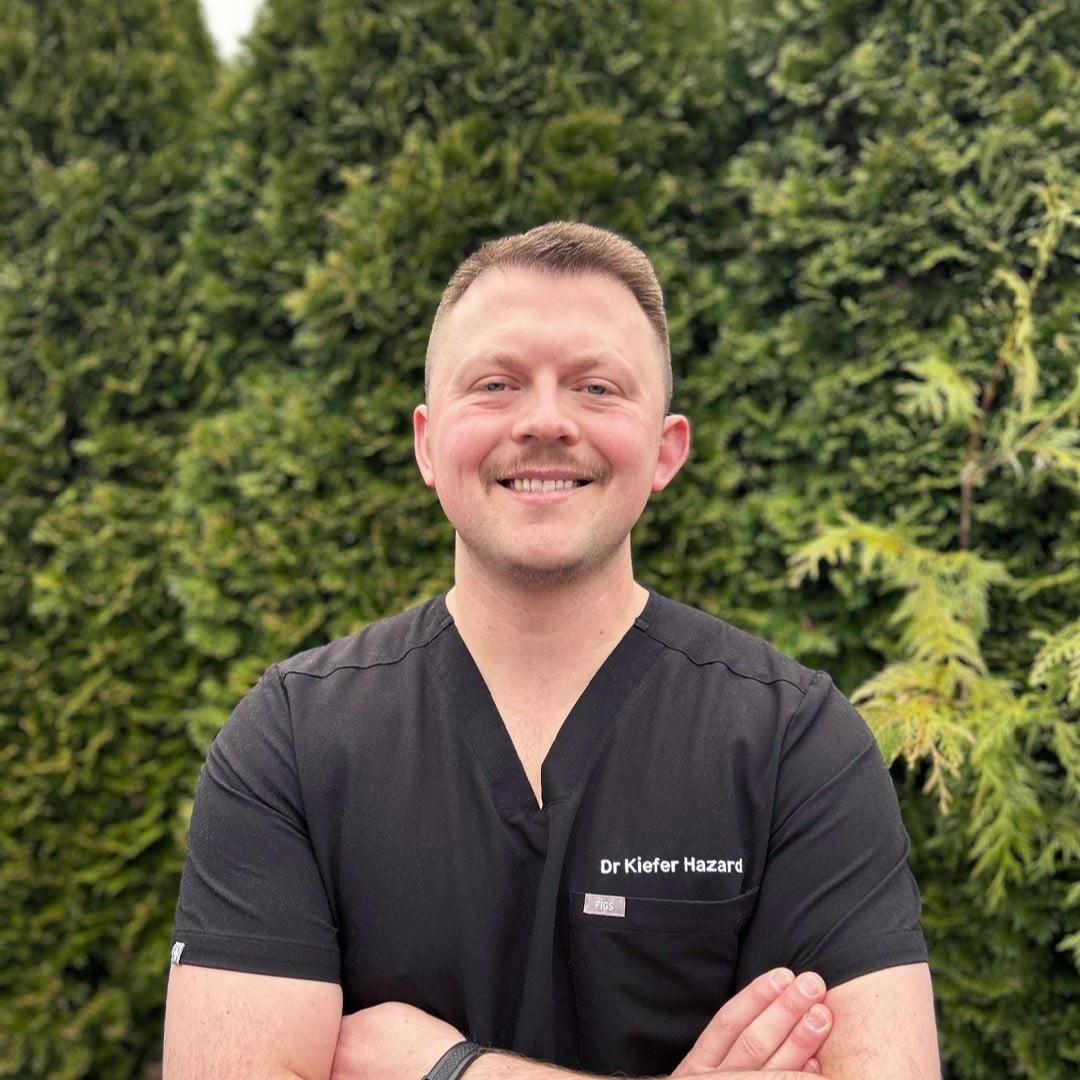
Dr. Hazard
Dr. Kiefer Hazard is the owner and lead veterinarian at Seaview Animal Hospital in Lynnwood, WA. He earned his Doctor of Veterinary Medicine from Midwestern University College of Veterinary Medicine after completing his undergraduate degree at Texas Christian University. Dr. Hazard is Fear Free Certified and a member of the American Veterinary Medical Association, and he believes great care starts with trust, clear communication, and honest advice. When he’s not at the clinic, you’ll find him cycling, gardening, or spending time with his wife, Morgan, their daughter, Porter, and their dogs.